The Definitive Guide to Solving the Problem of Generic Dad Gifts
The annual gift-giving cycle can feel less like a celebration of appreciation and more like an archaeological dig—you’re sifting through decades of failed attempts, generic socks, and novelty items that will inevitably gather dust in a garage corner. If you've ever stared into a gift catalog feeling the crushing weight of "what should I get him?", congratulations; you are experiencing the universal struggle of solving the problem of generic dad gifts. It is a dilemma as old as Father’s Day itself, and it plagues loving children who genuinely want to show their father they know him—the real him, not just the version he presents at family barbecues. But fear not. With a strategic approach, you can move beyond the predictable gift card and discover gifts that resonate deeply, turning mere material items into heartfelt memories.
Understanding the Gap Between Thought and Transaction
The first step in solving the problem of generic dad gifts is recognizing why they are generic. Often, we default to what is easy, familiar, or deemed "safe." But safety rarely equals sentimentality. We approach gifting like filling a blank form rather than writing a heartfelt letter. To find something meaningful, you must first understand your recipient on a deeper level.
Decoding the Modern Dad’s Identity
The modern father is not a monolith; he's a complex tapestry of interests, hobbies, and passions that might even contradict each other. He might be the guy who loves deep-sea fishing but also spends his Saturday Gourmet Chocolate morning optimizing his smart home setup. Generic gifts fail because they treat him as one simple category (e.g., "outdoorsy man" or "techie").
Instead of focusing on a single hobby, consider what energizes him. Does he lose track of time when reading about history? Is the satisfaction derived from building something physical with his hands? A true gift targets the core motivation, not just the superficial activity.
The Pitfalls of Safe and Predictable Giving
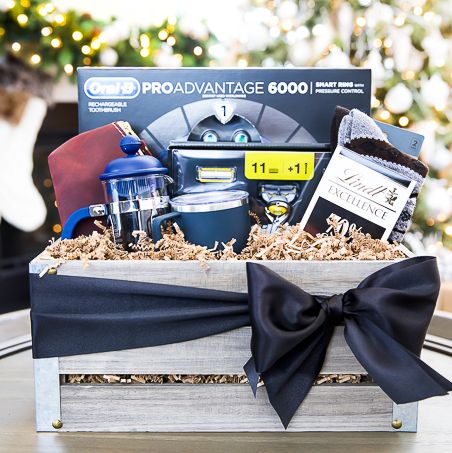
We often fall into predictable traps: the beer basket, the novelty mug, or the overly aggressive grilling accessory set. These gifts are like a beige sweater—perfectly fine, but utterly forgettable. They lack the distinctive color palette of true personalization.

Consider this anecdote: I once knew a father who was deeply passionate about niche history—specifically, Roman plumbing systems. When his daughter gave him an expensive, generic barbecue smoker, he politely accepted it, but later admitted that the closest thing to joy he felt all day was looking at a documentary on aqueduct construction. The gift wasn't just wrong; it missed the mark completely because it failed to acknowledge his quiet, specific passions.
Strategies for Truly Personalized Gifting Experiences
To successfully solve the problem of generic dad gifts, you must pivot your thinking from objects to experiences and connection. A physical item is merely a souvenir of the gift; the experience itself is the treasure.
Focusing on Shared Memories, Not Just Objects
The most powerful gifts are those that create new memories together. These aren't things you buy off a shelf; they require time and intention. Think about activities where you can participate with him—whether it’s tackling a complex puzzle together, taking a day trip to an unfamiliar town, or mastering a challenging recipe side-by-side.
As one thoughtful gift curator noted, "A purchased item is a transaction; a shared experience is an investment." What memories do you want to build? Is that the guiding question?
Leveraging His Unique Interests as a Compass
If he loves woodworking, don't just buy him another power tool (which might be redundant). Instead, gift him a premium, specialized piece of wood from a specific region he admires, paired with an invitation for a local artisan workshop. You are giving him the raw ingredient and the opportunity, rather than just the finished product.
This approach requires doing some detective work. Pay attention to:
- What does he read about in his free time? (Hint: This is more telling than what he buys.)
- What does he complain about needing or wanting, even if it seems minor? (These are often genuine clues!)
- When does he look most relaxed and engaged?
Practical Gift Categories That Go Beyond the Obvious
If an experience isn't feasible, there are still ways to elevate a physical gift from generic to exceptional. The key is curation and deep thoughtfulness.
Gifts Based on Time and Attention (The Curated Approach)
Rather than buying him a book, buy him three books by authors who share a thematic link he loves. Instead of an electric shaver, gift him the ritual: a high-quality shave kit paired with a subscription to a gourmet shaving soap company. The focus is on ritual and quality, elevating everyday objects into luxurious experiences.
Gifts That Facilitate His Passions (The Upgrade Approach)
If he enjoys coffee, don't just buy a bag of beans. Gift him an entire "master barista kit" that includes specialized grinders, pour-over equipment from a specific country, and a class or online tutorial on advanced brewing techniques. You are upgrading his capability in relation to his passion.
The Power of the Time Capsule Gift
A profoundly meaningful way of solving the problem of generic dad gifts is through the concept of the time capsule. Gather small items that represent key moments in your relationship: movie ticket stubs from your first date, a local newspaper clipping announcing an achievement, or a list of shared inside jokes. Presenting these items together creates a narrative gift—a physical timeline of love and appreciation.
Making Your Selection Count
Ultimately, the best gifts do not solve a problem; they validate a person. They communicate: "I pay attention to you." The effort put into finding the niche item far outweighs the monetary value of the item itself. Remember that true thoughtfulness is like a compass—it always points back toward Find more info the heart of who he truly is.
So, the next time the gift-giving pressure mounts, resist the urge for the obvious choice. Take a step back, listen carefully to his passions, and approach your shopping mission not as a consumer, but as an ethnographer. By focusing on deep knowledge, shared moments, and genuine appreciation, you won't just be buying him something; you'll be gifting him a feeling—and that is priceless.